
When Tomodachi Life: Living the Dream was announced for the Nintendo Switch and Switch 2, longtime fans celebrated a return to one of Nintendo’s most whimsical life simulation experiences. But among the excitement came a surprising announcement: Nintendo is placing restrictions on image-sharing features in this new title. Players accustomed to sharing screenshots and funny moments online are now left asking: What exactly is changing — and why?
What Is Nintendo Restricting?
Available on

Nintendo’s official support statement clarifies that Tomodachi Life: Living the Dream will limit certain image-sharing capabilities in order to create a “fun and safe” environment for all players. What this means in practice is that:
- Players cannot transfer in-game images directly to their smartphones.
- The option to post screenshots directly from the console to social media is disabled.
- Automatic uploads on Nintendo Switch 2 are not available.
Nintendo has stated that these limits are designed to prevent out-of-context moments from being misunderstood or misused online and to ensure the game remains welcoming for everyone who plays it.
So Can’t You Take Screenshots at All?

It’s important to draw a distinction here:
Nintendo isn’t banning screenshots altogether. Players can still capture moments using system tools; the difference is that the convenient, built-in ways to share those images instantly online are restricted. If you really want to post screenshots, you’ll need to use more manual methods such as exporting files to a computer or using an external camera.
As Nintendo explains, “While these moments are often fun for players, we recognize that out-of-context scenes may be misunderstood or may not reflect the spirit in which the game is intended to be enjoyed.”
Why Is Nintendo Doing This?
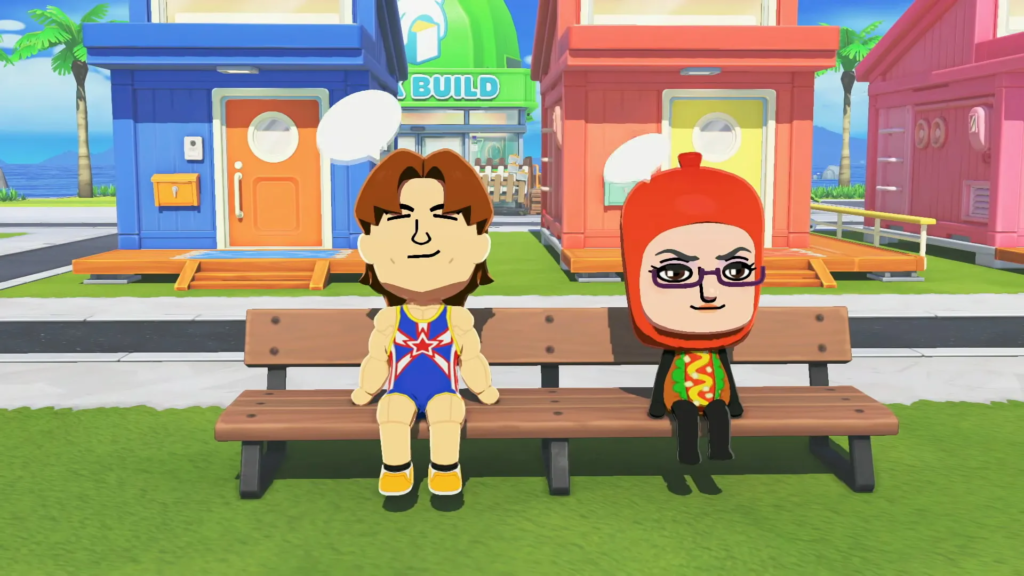
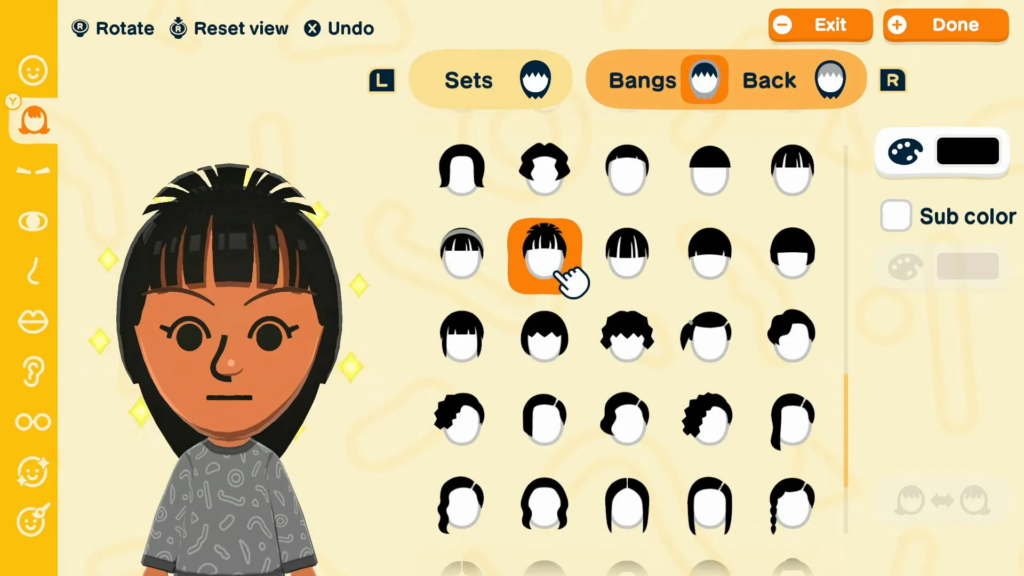
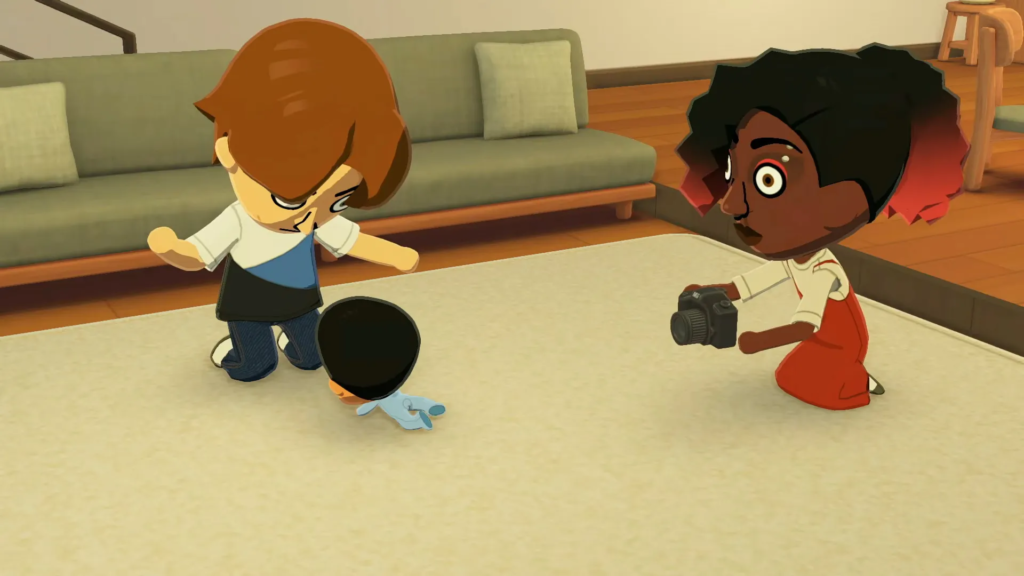

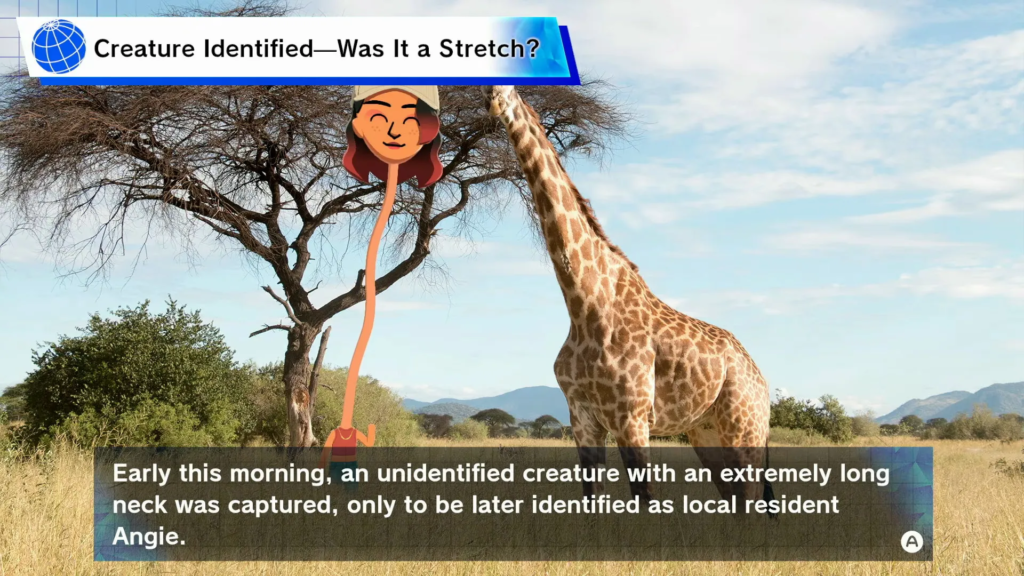

There are several possible reasons behind this move:
1. Protecting the Game’s Tone
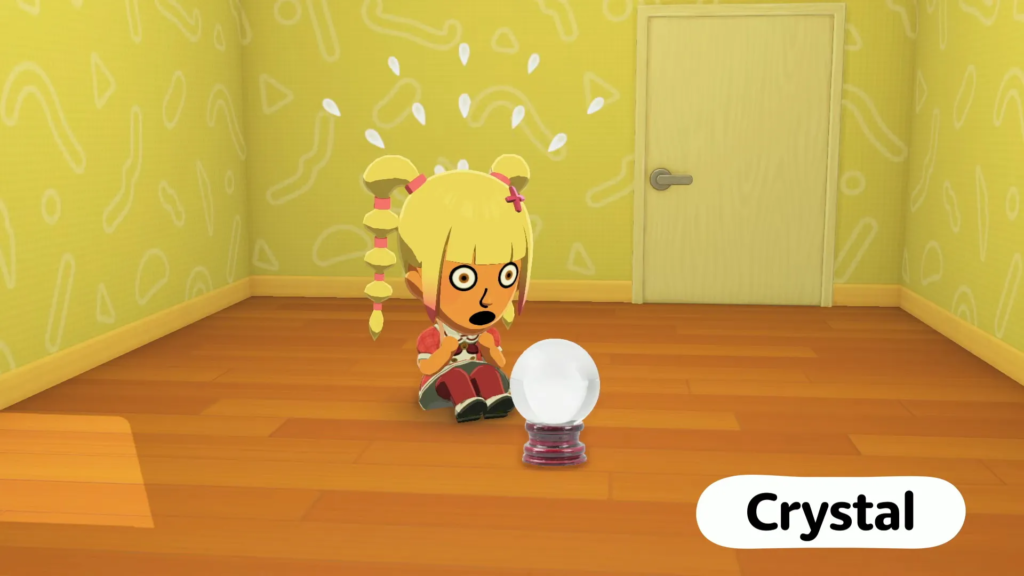
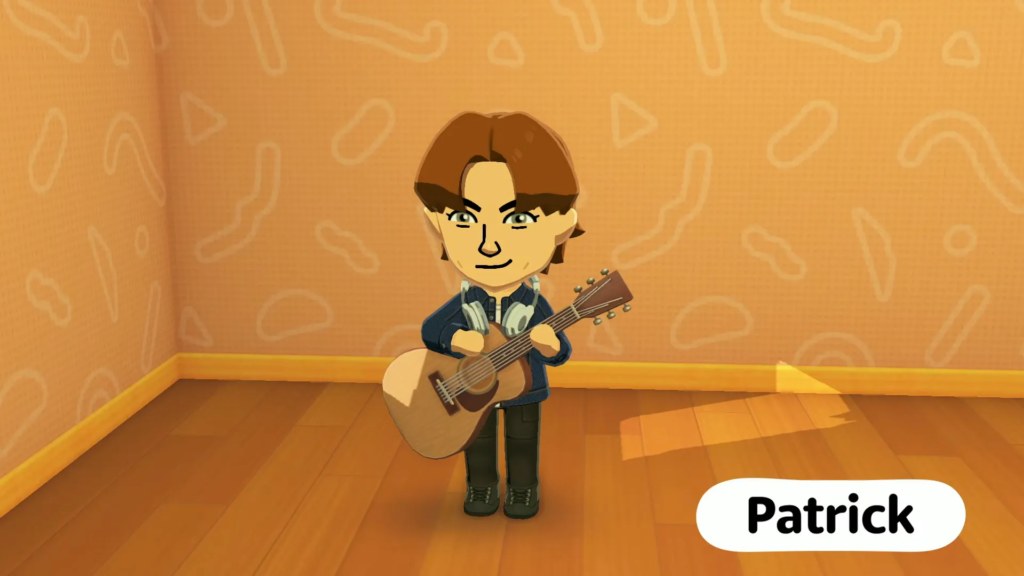
Tomodachi Life is known for its unpredictable, chaotic, and often hilarious scenarios. Faces, outfits, situations, and interactions can be bizarre — and what’s funny in a friend group chat can look very different spread across the internet without context. Nintendo seems to want to avoid situations where screenshots go viral for reasons unrelated to the core experience.
2. Avoiding Misuse or Misinterpretation
Nintendo cites concerns over “out-of-context scenes” being misunderstood. This suggests a desire to discourage controversial or offensive imagery that might reflect poorly on the game or the company.
3. Legal and Safety Considerations
In the past, Nintendo has been cautious about online interactions. Limiting built-in sharing features reduces the risk of content being used inappropriately or irresponsibly on third-party platforms.
What This Means for the Tomodachi Life Community
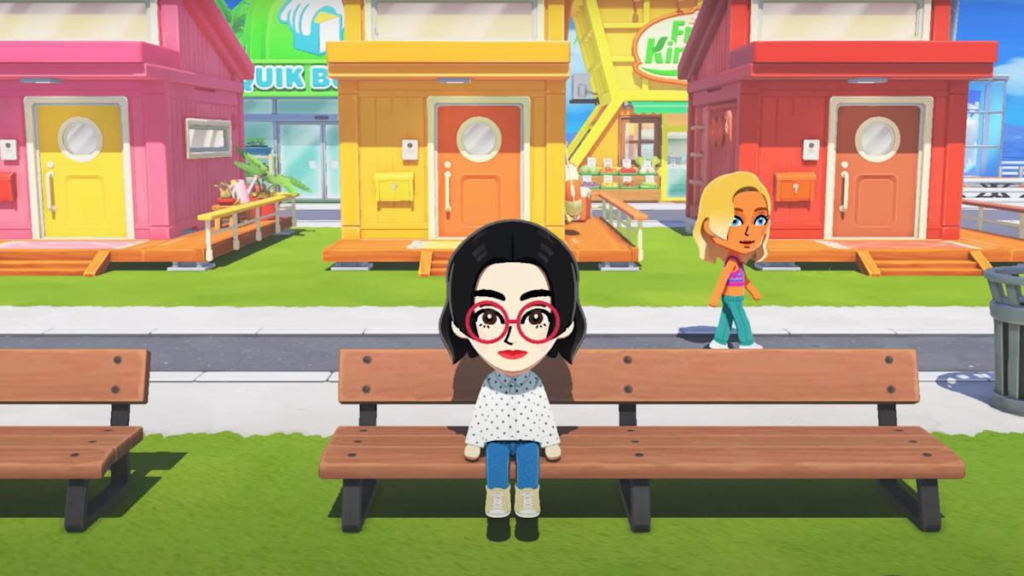
For many longtime fans, image sharing has always been a social part of the Tomodachi Life experience. Creators would share screenshots of dramatic storylines, weird character combinations, and hilarious dialogues among their Miis.
Now, content creators and casual players alike may feel this restriction makes it harder to share the joy and silliness that define the game.
As one community member put it: “Nintendo knows people will share it regardless, they just don’t want people doing it on their service.”
Others have noted the irony that many players will simply bypass restrictions by taking photos of screens with their phones — a workaround Nintendo acknowledged indirectly by focusing solely on disabling built-in methods.
Features of Tomodachi Life: Living the Dream
Despite the sharing limitations, Tomodachi Life: Living the Dream promises a rich and creative gameplay experience:
- Full Mii character creation and customization, including expressive options never seen before.
- An open-ended world where players build islands and watch their Miis interact.
- Social life simulation with unpredictable events and interactions.
Nintendo has also embraced inclusivity, with options for same-sex relationships and non-binary characters, a long-awaited feature for many fans.
you might also like
- Vivo T5 5G Review: A Detailed Look at Its Features, Performance and Value

- Is SHEIN Clothing Good Quality? What You Need to Know Before Buying

- Huawei Mate XT 2 Explained: Everything You Need to Know About the New Tri-Fold

Final Thought
The decision to restrict image-sharing features in Tomodachi Life: Living the Dream reflects Nintendo’s ongoing balancing act: encouraging creativity and fun while managing the risks that come with open, shareable content. For some players, the extra steps needed to share screenshots will be a minor inconvenience. For others, it may feel like a step back in an era when social sharing is a fundamental part of gaming culture.
Ultimately, Tomodachi Life has always thrived on player creativity and community. Whether these restrictions soften over time or remain part of the game’s design will likely depend on how the community responds once the game launches.
Disclaimer
This article is based on Nintendo’s public statements and early reporting about Tomodachi Life: Living the Dream. Details may evolve as the game approaches its April 16, 2026 release date, and official policies could be updated by Nintendo at any time.
Hashtags
#TomodachiLife #Nintendo #LivingTheDream #GamingNews #ImageSharing #SwitchGames #Carrerbook #Anslation