
The Trevi Fountain is one of the most famous landmarks in the world and a must-visit destination for anyone traveling to Rome. Known for its breathtaking Baroque design, magical atmosphere, and centuries-old coin-tossing tradition, the fountain attracts millions of visitors every year. Whether you are visiting Rome for the first time or returning to explore its hidden beauty again, the Trevi Fountain continues to capture the hearts of travelers from around the globe.
In 2026, the fountain remains one of the top trending travel spots thanks to social media, travel influencers, and renewed interest in European cultural tourism. Beyond its stunning appearance, the Trevi Fountain holds fascinating stories, artistic details, and hidden secrets that many tourists never notice.
The History Behind the Trevi Fountain
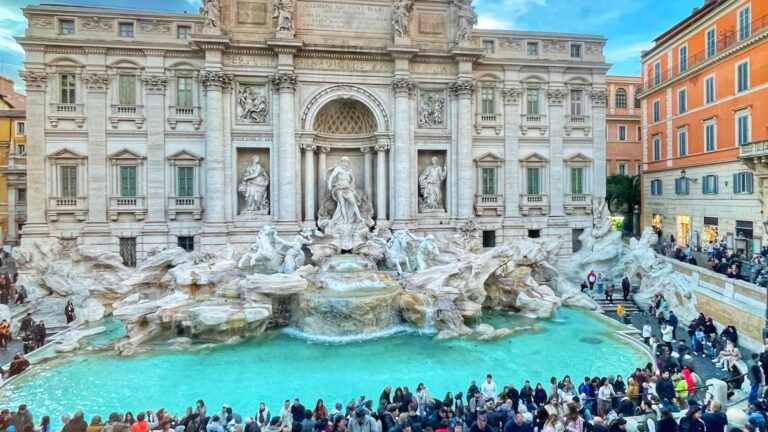
The history of the Trevi Fountain dates back to ancient Roman times. The fountain stands at the endpoint of the Aqua Virgo aqueduct, which was originally built in 19 BC to supply fresh water to the city. Over centuries, different fountains existed at the site before the grand version we see today was created.
The current fountain was designed by Italian architect Nicola Salvi in 1732 during the rule of Pope Clement XII. Construction continued for several decades and was finally completed in 1762 by Giuseppe Pannini after Salvi’s death. The result was a masterpiece of Baroque architecture that blended dramatic sculptures, flowing water, and detailed carvings into one unforgettable monument.
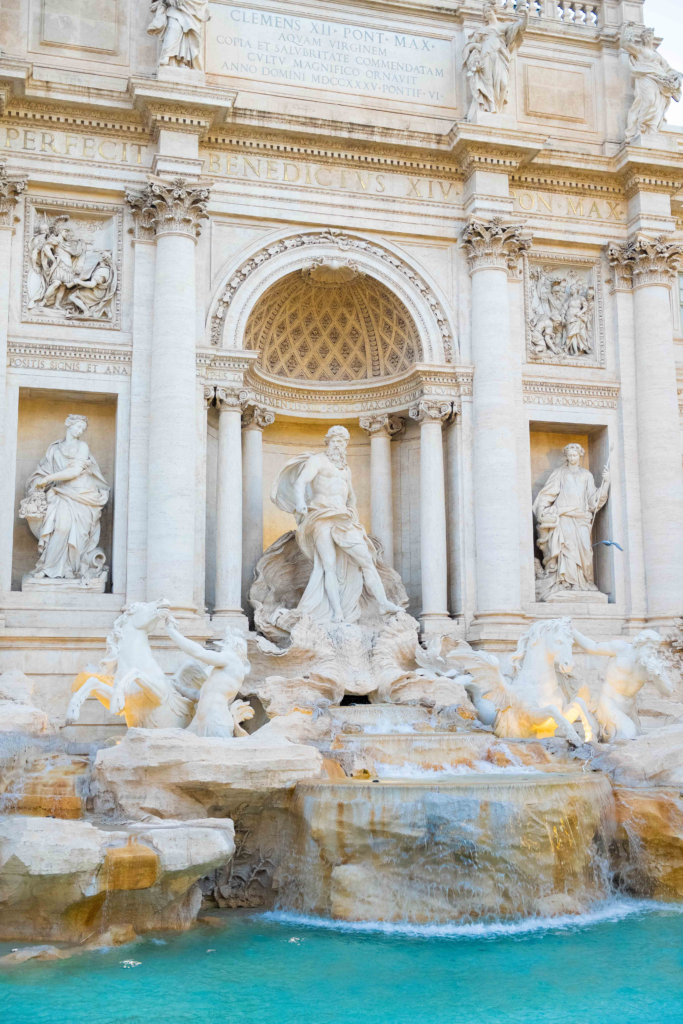
At the center of the fountain stands Oceanus, the god of water, riding a shell-shaped chariot pulled by sea horses. The statues surrounding him symbolize abundance, health, and the power of nature. Every artistic element tells a story connected to Rome’s relationship with water and prosperity.
Why Tourists Toss Coins Into the Fountain
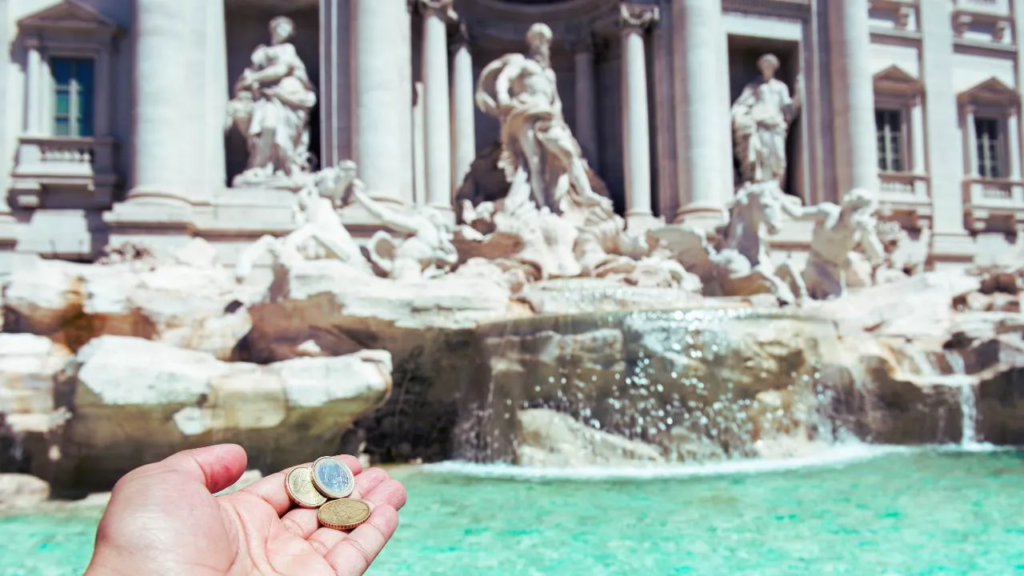
One of the most famous traditions at the Trevi Fountain is tossing a coin into the water. According to legend, throwing one coin over your left shoulder with your right hand ensures that you will return to Rome someday. Tossing two coins is said to bring romance, while three coins supposedly lead to marriage.
Millions of tourists participate in this tradition every year, creating one of the world’s most recognizable travel rituals. The collected coins are not wasted. Local authorities gather thousands of euros from the fountain daily, and the money is donated to charities that help people in need across Rome.
The coin tradition became globally popular after scenes from classic films featured the fountain, especially the 1954 romantic movie Three Coins in the Fountain. Since then, the ritual has become a symbol of hope, love, and future travel dreams.
Hidden Secrets Most Visitors Miss
Although the Trevi Fountain is extremely popular, many travelers overlook some of its hidden details and secrets.
One interesting fact is that the fountain is built against the back side of a palace called Palazzo Poli. Instead of standing alone in a large square, the fountain almost appears hidden until visitors suddenly arrive in front of it through narrow Roman streets. This dramatic reveal adds to its magical charm.
Another hidden detail is the small “Lovers’ Fountain” located nearby. Legend says couples who drink water from this tiny fountain together will remain faithful and return to Rome one day.
Many visitors also fail to notice the symbolic contrast between the two sea horses pulling Oceanus’ chariot. One horse appears calm while the other is wild, representing the changing moods of the sea.
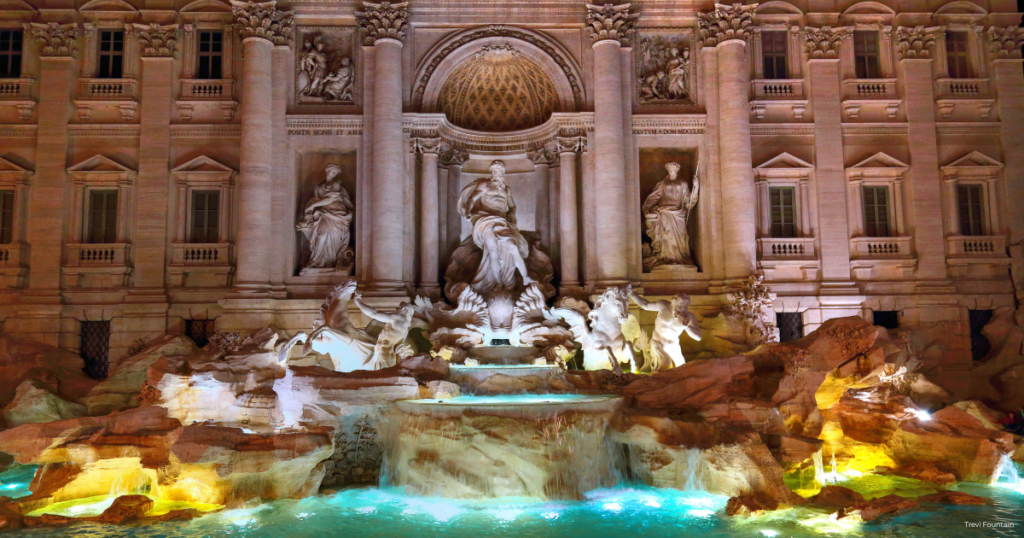
At night, the Trevi Fountain transforms into a completely different experience. The lights reflecting on the marble sculptures and flowing water create a romantic atmosphere that feels almost cinematic. Early morning visits are also popular because the crowds are smaller and the photos look more peaceful.
Best Time to Visit the Trevi Fountain in 2026
The Trevi Fountain is open all day and night, but certain times offer a much better experience.
Early morning between 6 AM and 8 AM is ideal for travelers who want fewer crowds and better photography opportunities. Late evening visits are also highly recommended because the illuminated fountain looks spectacular after sunset.
The busiest travel months are usually June, July, and August when Rome receives large numbers of tourists. If you prefer a quieter experience, visiting during spring or autumn can be more comfortable due to cooler weather and shorter lines.
Travel experts in 2026 also recommend weekday visits instead of weekends to avoid peak tourist traffic around the fountain area.
Photography Tips for Stunning Pictures
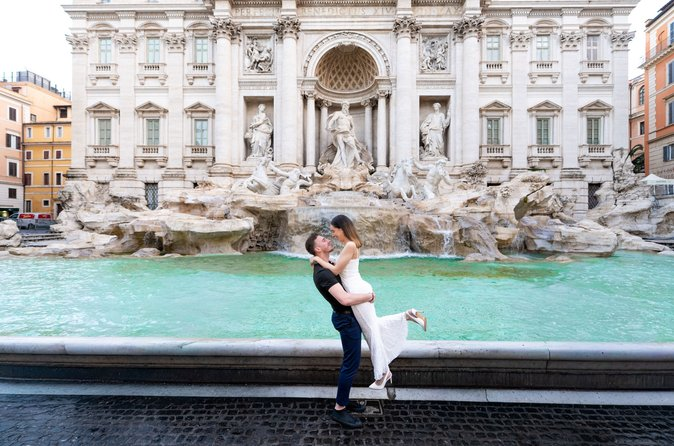
The Trevi Fountain is one of the most photographed locations in Europe, but capturing the perfect shot can be difficult because of the crowds.
For the best photos, visit early in the morning when the area is less crowded. Wide-angle shots work well to capture the full beauty of the sculptures and architecture. Night photography is also popular because the lighting creates dramatic reflections in the water.
Many travelers take classic coin-toss photos, but creative angles from nearby streets can produce unique images that stand out on social media. Wearing light-colored clothing can also help create contrast against the fountain’s white marble background.
Nearby Attractions Worth Exploring
After visiting the Trevi Fountain, travelers can easily explore several nearby attractions in Rome. The Pantheon is only a short walk away and remains one of the best-preserved monuments from ancient Rome. Visitors can also explore the famous Spanish Steps for shopping, sightseeing, and beautiful city views.
The surrounding streets are filled with traditional Italian cafés, gelato shops, and boutiques where tourists can enjoy authentic Roman culture. Many guided walking tours also include the Trevi Fountain as part of a larger historical route through the city center.
- Vivo T5 5G Review: A Detailed Look at Its Features, Performance and Value

- Is SHEIN Clothing Good Quality? What You Need to Know Before Buying

- Huawei Mate XT 2 Explained: Everything You Need to Know About the New Tri-Fold

- 10 Unusual Watches at Analog:Shift You’ll Want to See in August 2026

Travel Tips for First-Time Visitors
Travelers visiting the Trevi Fountain for the first time should remember a few important tips. Pickpocketing can occur in crowded tourist areas, so keeping valuables secure is important. Respecting local rules is also necessary because sitting or climbing on the fountain is prohibited.
Comfortable walking shoes are recommended since Rome’s streets are mostly cobblestone. Carrying a reusable water bottle can also help during summer visits, especially while exploring nearby attractions on foot.
Tourists should also be patient during busy hours because the area around the fountain can become extremely crowded. Taking time to admire the details rather than rushing through the experience makes the visit much more memorable.
Why the Trevi Fountain Remains Timeless
The Trevi Fountain continues to fascinate travelers because it combines history, art, romance, and tradition in one extraordinary location. It is more than just a tourist attraction—it represents the spirit of Rome itself.
From its ancient aqueduct origins to its legendary coin tradition, the fountain tells stories that connect visitors to centuries of culture and imagination. Whether admired during sunrise, glowing at night, or experienced through the excitement of tossing a coin into the water, the Trevi Fountain remains one of the world’s most unforgettable travel destinations.
FAQs
1. Why is the Trevi Fountain famous?
The Trevi Fountain is famous for its stunning Baroque architecture, coin-tossing tradition, and appearance in popular films and travel photography.
2. What happens if you throw a coin into the Trevi Fountain?
According to legend, throwing one coin into the fountain means you will return to Rome someday.
3. Is the Trevi Fountain free to visit?
Yes, visiting the Trevi Fountain is completely free for tourists.
4. What is the best time to visit the Trevi Fountain?
Early morning or late evening is considered the best time because there are fewer crowds and better photo opportunities.