
If you’ve been scrolling through travel photos lately, chances are you’ve seen the Azores pop up more than once. Often described as Europe’s hidden paradise, this Portuguese archipelago in the middle of the Atlantic has gained serious attention over the past few years. But with rising popularity comes a fair question: Is the Azores really worth visiting in 2026?
After exploring the islands, talking with locals, and experiencing both the highlights and the quiet corners, here’s an honest, fully human take on what you can expect.
First Impressions: Wild, Untouched, and Surprisingly Peaceful
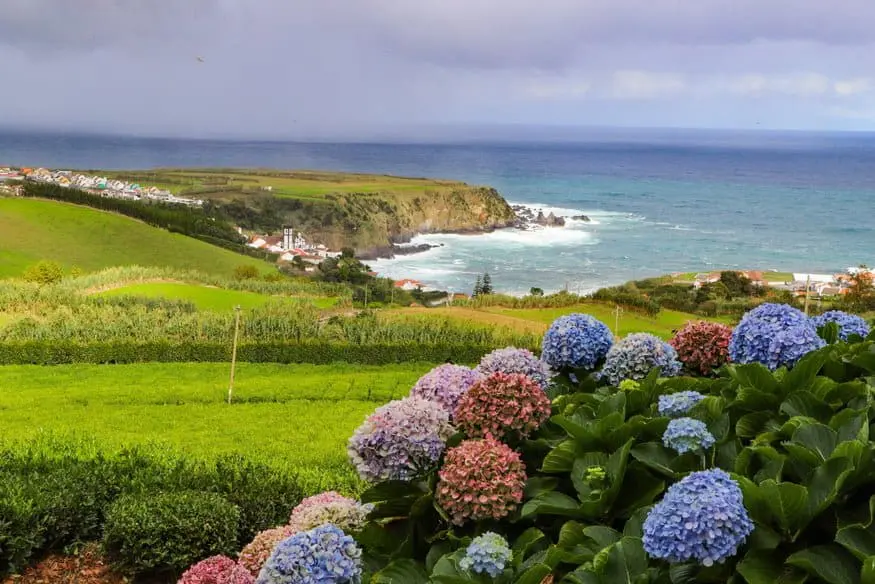
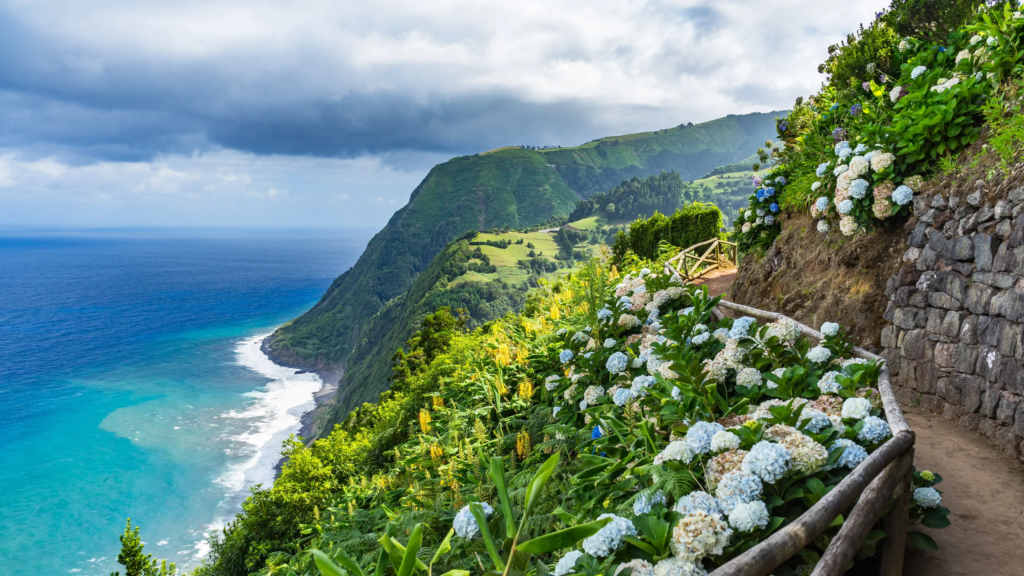
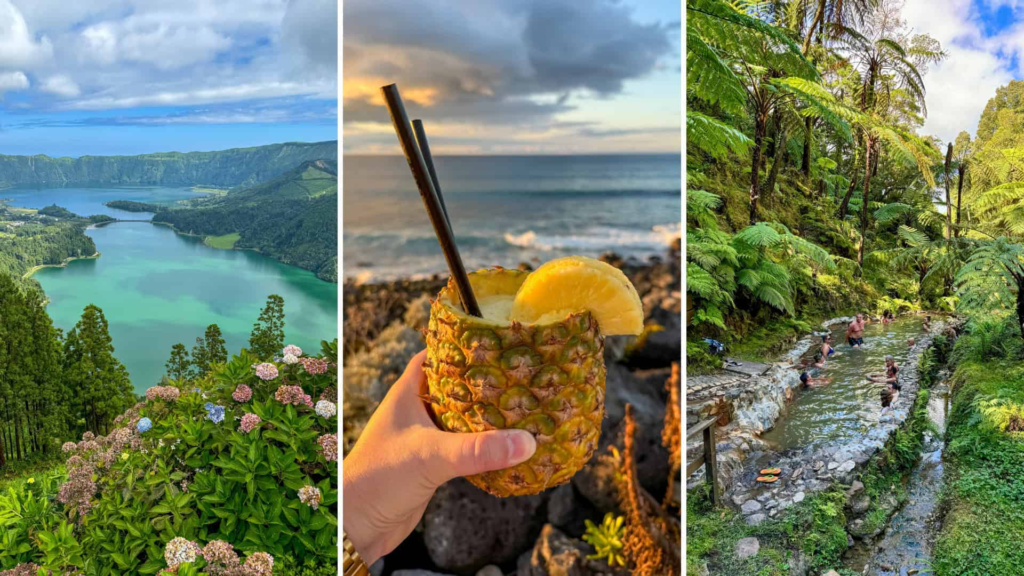
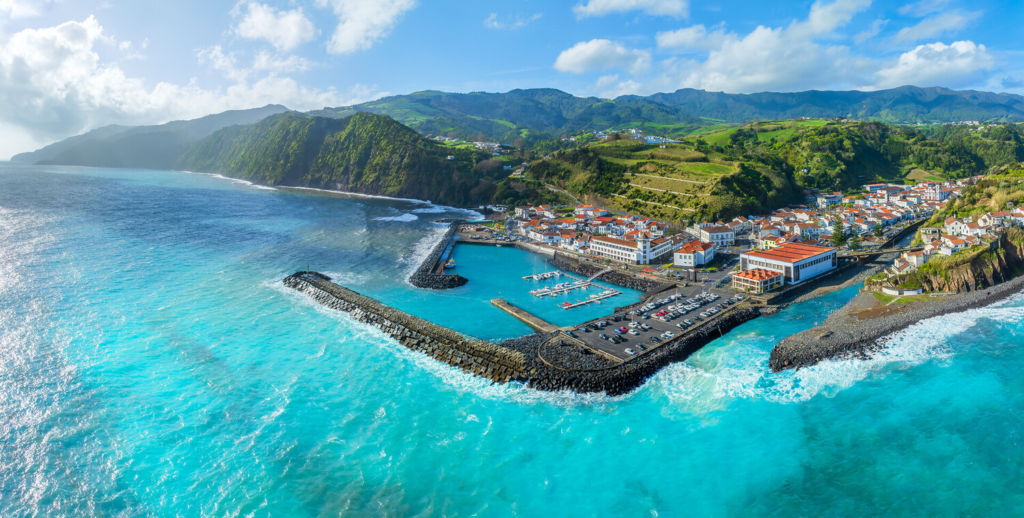
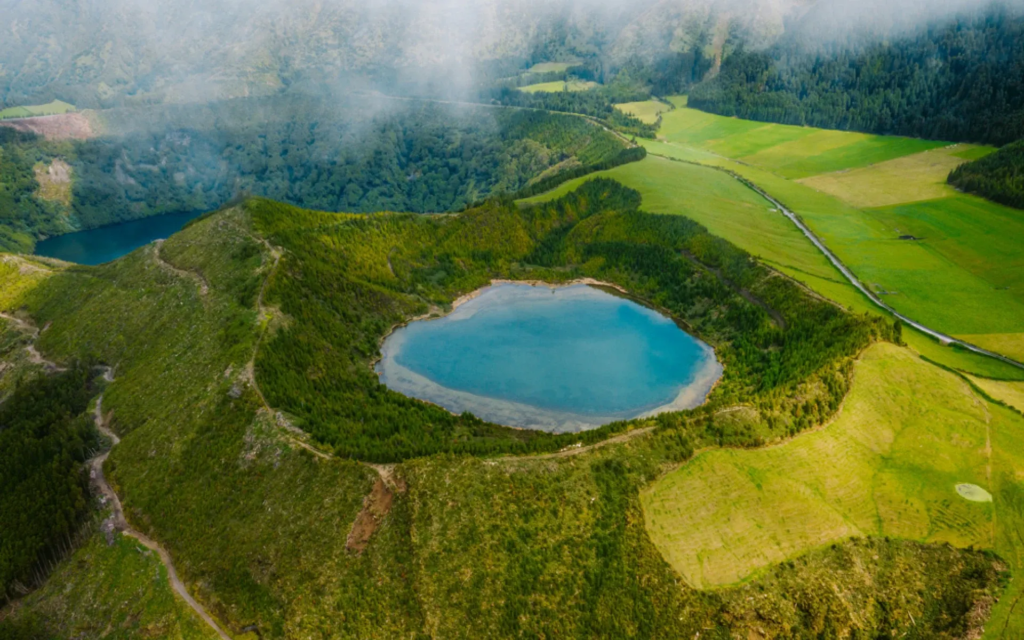
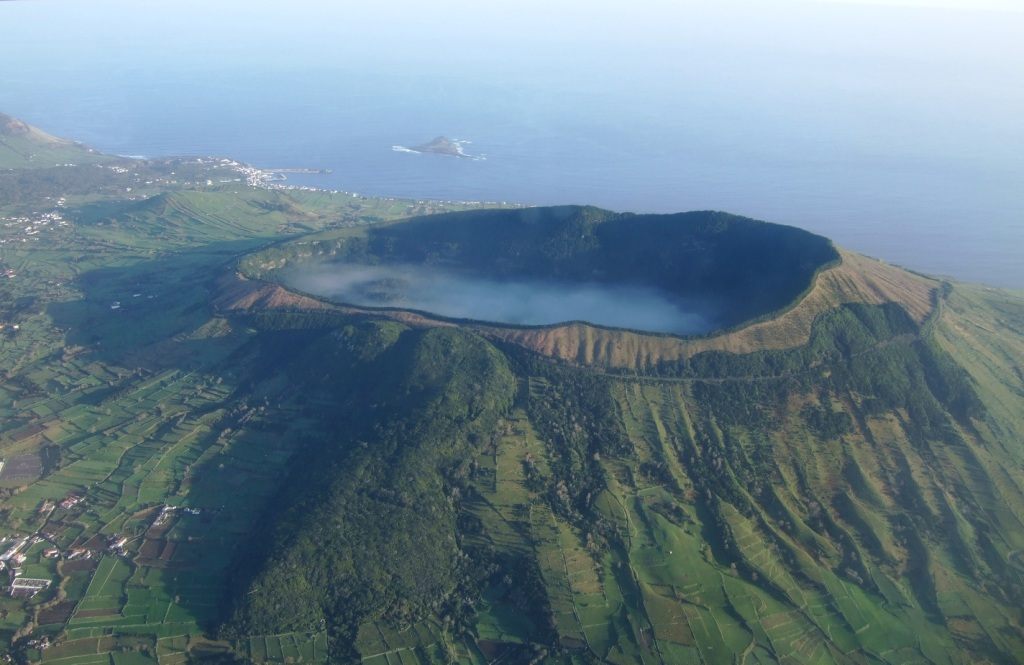
The first thing that stands out about the Azores is how raw and natural everything feels. Unlike many island destinations that are crowded with resorts and beach clubs, the Azores still feel authentic. You’ll find dramatic volcanic landscapes, crater lakes, steaming hot springs, black sand beaches, and rolling green hills dotted with hydrangeas.
Even in 2026, despite increased tourism, the islands have managed to protect their identity. Development is carefully controlled, and you won’t see massive hotel chains dominating the coastline. Instead, there are boutique stays, family-run guesthouses, and eco-lodges that blend into the environment.
If you’re looking for nightlife and luxury shopping, this probably isn’t your place. But if you crave nature, fresh air, and wide-open views, the Azores delivers in ways that feel deeply refreshing.
The Natural Beauty: The Real Star of the Show
São Miguel
Let’s be honest. The reason most people visit the Azores is the scenery.
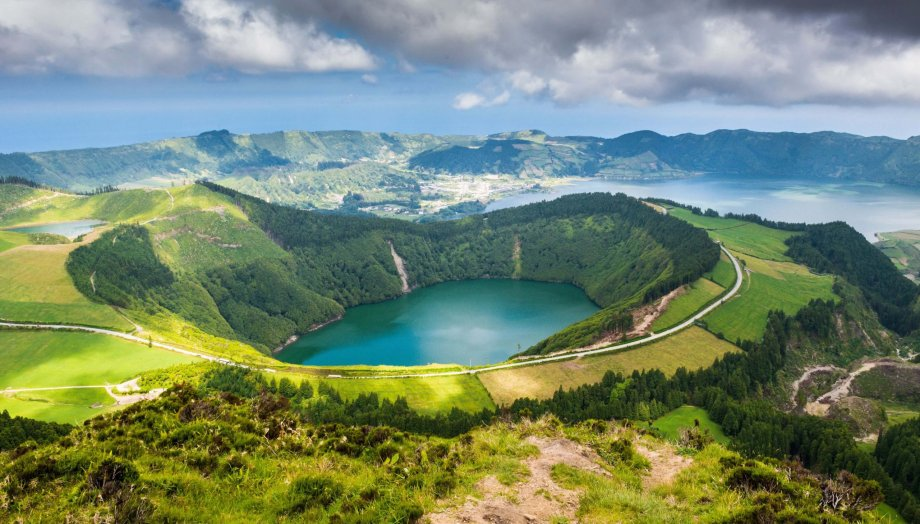
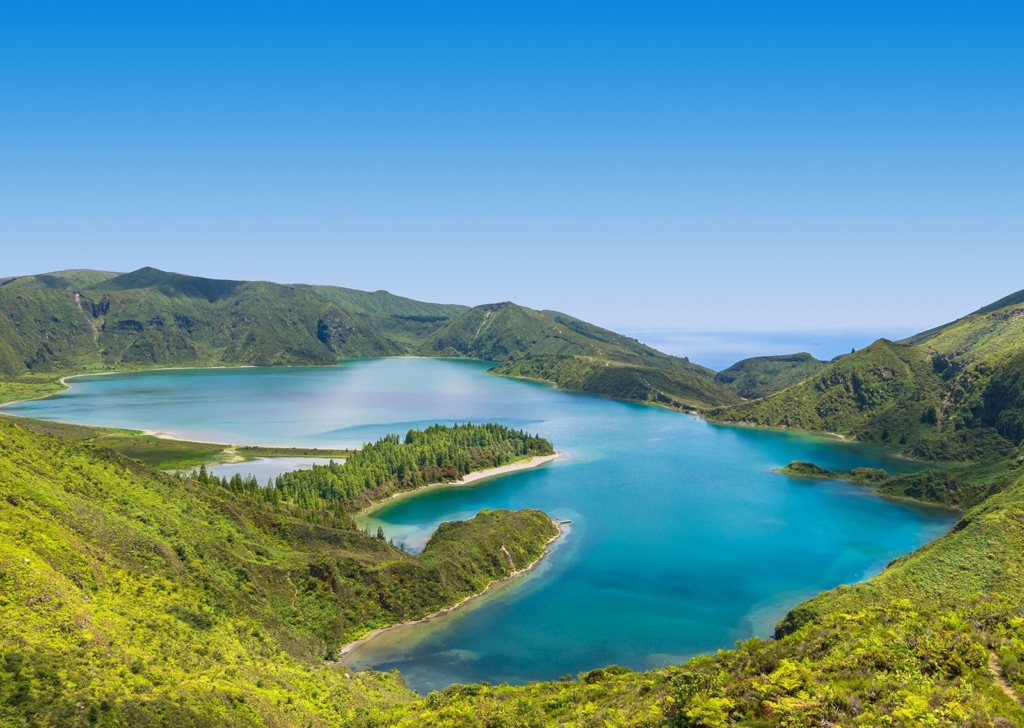
São Miguel, the largest island, is home to Sete Cidades, a twin-lake crater that looks almost unreal when viewed from above. Lagoa do Fogo offers another dramatic volcanic lake surrounded by untouched hillsides. Then there’s Furnas, where geothermal activity bubbles right beneath your feet, and traditional cozido stew is cooked underground using volcanic heat.
Other islands bring their own magic. Pico features Portugal’s highest mountain and world-class whale watching. Terceira blends natural beauty with rich cultural history. Flores feels like stepping into a fantasy novel, with waterfalls cascading down lush cliffs.
In 2026, these landscapes remain the Azores’ strongest selling point. The hiking trails are well maintained, viewpoints are accessible, and conservation efforts are noticeable. Nature lovers will not be disappointed.
Cost in 2026: Affordable or Overrated?
One of the biggest changes in recent years is pricing. The Azores used to be considered a budget-friendly alternative to Iceland. While it’s still generally more affordable than many European island destinations, prices have risen.
Flights can be competitive if booked early, especially from Europe and North America. Accommodation varies widely — from reasonably priced guesthouses to higher-end eco-retreats. Dining remains relatively fair compared to mainland Europe, especially if you enjoy local seafood and traditional dishes.
Car rental, however, is almost essential and can be expensive during peak season. Without a car, you’ll struggle to explore freely.
Overall, in 2026, the Azores sit somewhere in the middle: not ultra-cheap, not overly expensive. For what you experience, many travelers still find it offers strong value.
Food and Local Culture: Simple but Authentic


Azorean cuisine isn’t flashy, but it’s deeply satisfying. Fresh fish, local cheeses, hearty stews, sweet pineapples grown in greenhouses, and unique Azorean tea plantations create a food culture that feels grounded and regional.
The people are warm, patient, and proud of their islands. English is widely spoken, especially in tourism areas, but you still feel immersed in Portuguese island life.
Festivals, small-town markets, and quiet fishing villages give you a glimpse into a slower rhythm of living. It’s not a destination built around tourists; you’re stepping into real communities.
Weather Reality Check
The Azores have a reputation for unpredictable weather, and that reputation is well deserved. In a single day, you might experience sunshine, mist, wind, and rain.
Summer (June to September) offers the most stable conditions, but even then, clouds can roll in unexpectedly. Spring and autumn are beautiful and less crowded, though more variable.
If you need guaranteed beach weather, you may feel frustrated. But if you appreciate dramatic skies and shifting landscapes, the weather adds to the experience rather than taking away from it.
Who Should Visit the Azores in 2026?
The Azores are perfect for:
- Nature lovers and hikers
- Couples looking for a quiet, romantic escape
- Whale watching enthusiasts
- Travelers who prefer authenticity over luxury
- Photographers chasing dramatic landscapes
It may not be ideal for:
- Party-focused travelers
- Those seeking luxury resort experiences
- Visitors who dislike renting cars or driving winding roads
Understanding what kind of trip you want makes all the difference here.
The Downsides You Should Know
No destination is perfect, and the Azores are no exception.
Public transportation is limited. Some restaurants close earlier than expected. Weather can disrupt plans. Inter-island flights occasionally get delayed. And during peak summer, certain viewpoints and attractions can feel busier than you might expect from such remote islands.
Still, compared to many overtouristed destinations, the Azores remain relatively calm and manageable.
Is It Really Worth Visiting in 2026?
Yes — but with the right expectations.
The Azores are not about luxury glamour or high-energy entertainment. They are about nature in its purest form. They are about quiet roads, misty mountains, ocean horizons, and the kind of silence that resets your mind.
If you go looking for dramatic landscapes, fresh seafood, welcoming locals, and a slower pace of life, you’ll likely leave wondering why you didn’t visit sooner.
If you expect nonstop sunshine and resort-style indulgence, you might feel underwhelmed.
In 2026, the Azores remain one of Europe’s most unique travel experiences. Not hidden anymore, but still special.
Final Thoughts
The Azores are worth visiting if you value authenticity, raw beauty, and meaningful travel over flashy attractions. The islands reward curious travelers who embrace unpredictability and appreciate nature’s power.
It’s not about ticking off landmarks. It’s about breathing deeply, hiking above volcanic lakes, soaking in natural hot springs, and watching the Atlantic stretch endlessly before you.
For many travelers in 2026, that kind of experience is more valuable than ever.
This review reflects personal travel experiences and general observations as of 2026. Travel costs, weather conditions, accessibility, and local regulations may change. Always verify current travel requirements, safety guidelines, and booking policies before planning your trip.
#AzoresTravel #Azores2026 #PortugalTravel #IslandEscape #TravelReview #NatureLovers #HiddenEurope #AtlanticIslands #SustainableTravel #TravelHonestReview #Anslation #Carrerbook