
When I first started traveling between cities in the USA, I automatically assumed flights were the only practical option. That belief didn’t last long. After seeing how quickly airfare added up — tickets, baggage fees, seat selection, and last-minute price jumps — I realized I needed a more budget-friendly alternative. That’s when I seriously tried intercity bus travel, and it completely changed my approach to traveling across the US.
This blog is entirely focused on bus traveling in the USA, real intercity bus travel experiences, the features these buses offer today, and an honest budget comparison between buses, trains, and flights.
Why Intercity Bus Travel Is the Cheapest Option in the USA

Intercity buses are designed specifically for long-distance, city-to-city travel. They connect major metropolitan areas as well as smaller towns, making them extremely practical for travelers who don’t want to spend a fortune just getting from one place to another.
From my experience, bus travel consistently costs much less than flights and often less than trains, especially when traveling solo. You don’t need to worry about surge pricing like airlines, and last-minute tickets are still relatively affordable.
For students, budget travelers, digital nomads, or anyone traveling frequently, buses quietly remain the most economical option in the USA.
My Real Intercity Bus Travel Experience in the USA

The first time I chose a long-distance bus over a flight, I was honestly unsure what to expect. I had outdated assumptions about discomfort and inconvenience. But the actual experience was far better than I imagined.
The journey was smooth, organized, and surprisingly comfortable. Boarding was simple, there were clear stops, and the overall process felt less stressful than airports. No long security lines, no strict baggage measurements, and no rushing through terminals.
Yes, the travel time was longer, but the money I saved made it completely worth it. Over time, I realized that bus journeys also give you something flights don’t — a real sense of the landscape and gradual transition between cities.
Modern Bus Features That Make Long Journeys Comfortable

One major reason intercity bus travel works so well today is because of the features available onboard. Most long-distance buses in the USA now offer:
- Free Wi-Fi for browsing, emails, or light work
- Charging ports or power outlets near seats
- Reclining seats with decent legroom
- Onboard restrooms for convenience
- Air-conditioned cabins suitable for long travel
- Designated luggage storage without extra fees
These features make it easy to work, rest, watch content, or simply relax during the journey. Compared to budget flights where everything costs extra, buses feel straightforward and predictable.
Budget Travel Using Buses: How It Actually Saves Money

What truly makes buses ideal for budget travel is the overall cost control. With flights, a cheap ticket often turns expensive after add-ons. With buses, what you see is mostly what you pay.
From personal observation, buses help save money in multiple ways:
- Lower ticket prices
- No baggage fees for basic luggage
- No airport transfer costs
- Less spending on food due to shorter terminal waits
If you’re traveling frequently or across multiple cities, these small savings quickly add up.
Bus vs Train vs Flight: Budget Comparison
Here’s an honest comparison based on cost and value, especially for budget-conscious travelers.
Bus Travel

Bus travel is usually the cheapest option. Tickets are affordable even close to departure, luggage is included, and amenities are sufficient for long trips. The trade-off is time, but financially, buses win almost every time.
Train Travel

Trains offer more comfort and space but usually cost more than buses. On popular routes, train tickets can approach flight prices. Trains are great for comfort, but not always ideal if budget is the top priority.
Flight Travel
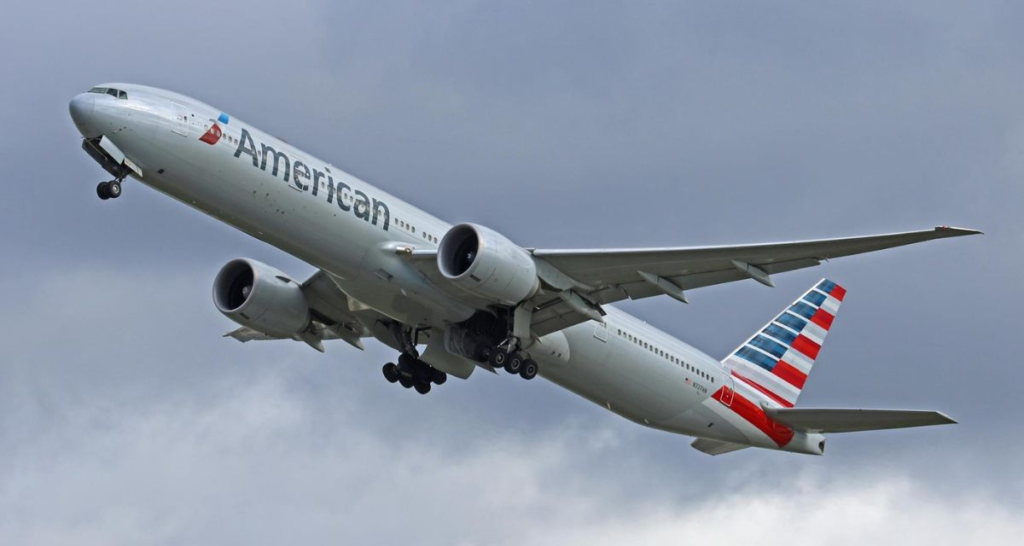
Flights save time but are the most expensive once all fees are included. Cheap base fares often become costly after baggage, seat selection, and timing issues. Flights make sense for very long distances or tight schedules, but not for strict budget travel.
In simple terms:
- Cheapest: Bus
- Most Comfortable: Train
- Fastest: Flight
When Bus Travel Makes the Most Sense
Bus travel is ideal when:
- You’re traveling solo
- You want the cheapest option
- You’re flexible with time
- You’re carrying luggage
- You want predictable expenses
I now automatically check bus options before looking at flights or trains, especially for trips under 8–10 hours.
- Luxury Cruise Industry Growth: Why High-End Travel Is Soaring

- The Ultimate Spring Style Guide Inspired by The Olsen Twins

- Why Turkey Is the Ultimate Travel Destination This Year

- Discover the Magic of Dubai Marina at Night

- Apple Martin’s Transformation Over the Years: Then vs. Now

- 5 Insider Secrets About Walt Disney World Most Visitors Don’t Know

Final Thought
Traveling between cities in the USA doesn’t have to be expensive. Intercity bus travel may not be flashy, but it’s practical, affordable, and far more comfortable than most people expect. After multiple journeys using buses, I’ve learned that smart travel isn’t about speed — it’s about value. If saving money matters to you, buses are still the most reliable budget travel option in the US.
This blog is based on personal experience and general travel observations. Costs, comfort levels, and services may vary depending on route, season, and provider. This content is not sponsored and does not promote any specific brand.
#BusTravelUSA #IntercityBus #BudgetTravelUSA #CheapTravelUSA #CityToCityTravel #TravelOnABudget #LongDistanceBus #SmartTravel #Carrerbook #Anslation