
Privacy is something we often talk about, but rarely feel—until something makes us uncomfortable. For me, that moment came when I started reading reports and running a few basic privacy checks myself, only to realize how much data our smartphones quietly send in the background. As someone who uses a phone not just for calling, but for work, banking, social media, photos, and even personal notes, this question became very real for me:
How private is my smartphone, really?
I’ve used iPhones for years and, like many people, believed they were the gold standard of privacy. Apple’s marketing strongly pushes this idea, and honestly, I trusted it. But after comparing real-world usage, settings, and recent testing reports, my perspective has changed. This blog is not about fear-mongering—it’s about awareness, based on personal experience and everyday usage.
Why Smartphone Privacy Matters More Than Ever
Our phones know everything about us:
- Where we go
- What we search
- Who we talk to
- What we buy
- Even when we sleep
Most of this data collection happens silently in the background. Earlier, I didn’t care much. “Everyone’s data is collected anyway,” I used to think. But once I started noticing how often apps request permissions—and how frequently phones communicate with servers even when idle—I began to question that mindset.
Privacy is not about hiding something wrong.
It’s about having control.
My Experience with iPhone: Smooth, But Not Silent
Let me be clear: iPhones are excellent devices. The performance is smooth, the ecosystem works beautifully, and the user experience feels polished. I never faced obvious privacy “problems” like spam or sudden data misuse.
But when I started digging deeper—checking background activity, app permissions, and network behavior—I noticed something unsettling: constant background communication.
Even when:
- Location services were limited
- Apps were closed
- The phone was idle
There was still a lot happening behind the scenes.
Now, Apple does provide privacy dashboards and tracking transparency features, which is great. But most users (including my earlier self) don’t regularly check or understand them. The data collection may be anonymized, but it still exists.
That’s when I started asking myself:
“If privacy is such a big priority, why does my phone still talk so much?”
You Might Also Like_
- OnePlus 15R Review: Massive Battery Life but Is the Value Really Unbeatable?
- Honest Tech Reviews in the USA: What’s Actually Worth Buying
- How AI and Smart Technology Are Redefining Modern Living
The Reality of iPhone Tracking (From a User’s Perspective)
Using an iPhone never felt unsafe. And that’s exactly the point. Tracking today is subtle, automated, and invisible. You don’t get warnings or pop-ups saying, “Hey, your data is being shared now.”
Apple does restrict third-party app tracking better than many brands, and credit where it’s due—that’s a strong point. But system-level data collection still happens, mostly for:
- Analytics
- Services improvement
- Location-based features
- Ecosystem optimization
As a regular user, you don’t have much control over this beyond basic toggles.
Trying More Secure Alternatives: A Different Experience

Out of curiosity, I tried using privacy-focused smartphone alternatives (including Android-based options that prioritize security). The experience was very different—and honestly, eye-opening.
Here’s what I personally noticed:
More Transparency
Some alternatives clearly showed:
- Which app accessed what data
- When background communication happened
- Which permissions were actually necessary
This level of transparency made me feel more in control.
Less Background Noise
Compared to my iPhone, these phones felt quieter in terms of background activity. Fewer system-level connections were happening without my knowledge.
Better Permission Control
Instead of “Allow” or “Don’t Allow,” some phones offered:
- One-time access
- Limited access
- Access only while using the app
This may sound small, but it makes a big difference in daily privacy.
The Trade-Off: Privacy vs Convenience
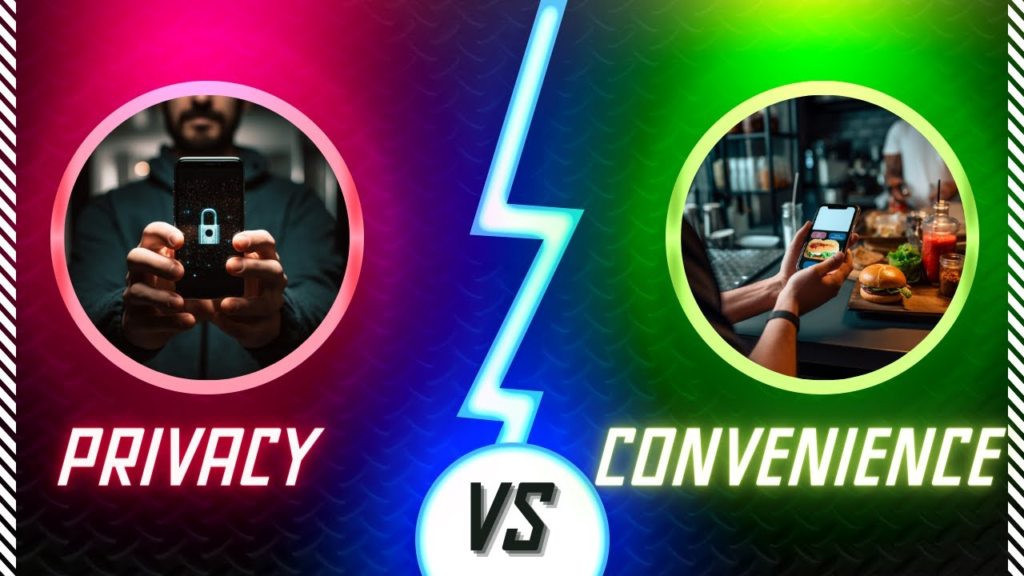
Here’s the honest truth—more privacy often means less convenience.
With iPhone:
- Everything syncs effortlessly
- Services work smoothly
- You rarely need to think about settings
With more secure alternatives:
- You need to spend time adjusting permissions
- Some features require manual setup
- The experience can feel less polished
At first, I found this slightly annoying. But over time, it felt empowering. I knew what my phone was doing, and more importantly, what it wasn’t doing.
Which One Is Better for You?
From my personal experience, here’s how I see it:
iPhone Is Right for You If:
- You value smooth performance and ecosystem integration
- You want privacy protections without micromanaging settings
- You trust Apple’s approach and prefer simplicity
More Secure Alternatives Are Better If:
- You care deeply about data privacy
- You want maximum control over permissions
- You’re okay with a bit of learning and customization
Neither choice is “wrong.” It depends on what matters more to you.
What I Changed After This Experience
After comparing both sides, I became more mindful—regardless of the phone I use:
- I review app permissions regularly
- I limit background access wherever possible
- I don’t blindly trust default settings anymore
This awareness alone improved my privacy more than switching devices ever could.
Final Thoughts: Privacy Is a Habit, Not a Brand Feature
If there’s one thing my experience taught me, it’s this:
No smartphone is 100% private by default.
Some phones are better at giving you tools. Others are better at hiding complexity. But real privacy comes from understanding how your device works and making conscious choices.
iPhones are secure, polished, and reliable—but they’re not silent observers. More secure alternatives may demand effort, but they reward you with control.
In the end, privacy isn’t about panic. It’s about paying attention. And once you do, you’ll never look at your smartphone the same way again.
This blog is based on my personal experience and general observations while using different smartphones. The views shared are personal and not intended to defame or target any brand. Privacy features, tracking behavior, and security measures may vary with software updates, regions, and individual user settings. Readers are advised to do their own research before making any device-related decisions.
#SmartphonePrivacy #iPhonePrivacy #DataPrivacy #MobileSecurity #PrivacyMatters #TechBlog #HonestTechReview #DigitalPrivacy #UserExperience #PrivacyFocused #SmartphoneComparison #TechAwareness #OnlineSafety #PersonalData #HumanWrittenContent #Carrerbook #Anslation