
When the Fire TV Blaster first launched, it felt like a clever solution to a very real problem. Many of us still had older TVs, soundbars, or cable boxes that didn’t play nicely with voice assistants. The promise was simple: place a small device in your room, connect it to Alexa, and suddenly your TV setup would respond to voice commands—even if it wasn’t “smart” to begin with.
So why did something that sounded so useful quietly fade away? Was Fire TV Blaster actually doomed from the start, or did changing technology leave it behind? Let’s look at the truth, without hype or brand bias.
A Great Idea, But for a Shrinking Audience
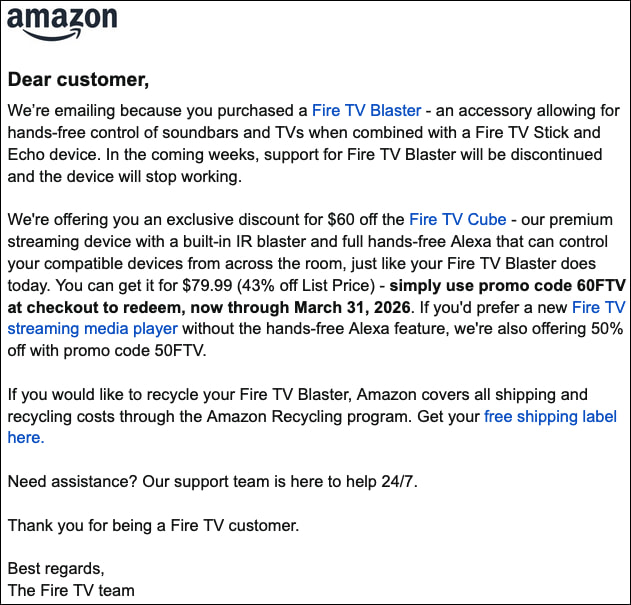
At its core, Fire TV Blaster solved an IR (infrared) problem. It acted like a universal remote that Alexa could control. For households using older TVs, projectors, AV receivers, or cable boxes, this felt almost magical. You could say things like “turn on the TV” or “change the channel,” and it actually worked.
But here’s the catch: the world was already moving past infrared. Smart TVs were rapidly adopting HDMI-CEC, built-in voice assistants, and app-based control. Every year, fewer people needed an external IR blaster because newer TVs could already communicate directly with streaming devices.
In short, Fire TV Blaster arrived just as the problem it solved was starting to disappear.
Setup Was Not as Simple as It Sounded
On paper, Fire TV Blaster was plug-and-play. In reality, many users found the setup confusing or frustrating. Positioning mattered a lot—if the IR signal didn’t hit your TV or soundbar correctly, commands failed.
For tech-savvy users, this was manageable. But for the average household, voice control that worked “most of the time” wasn’t good enough. People expect smart home devices to work instantly and reliably. When something requires trial and error, patience runs out quickly.
This complexity didn’t kill the device outright, but it certainly didn’t help it grow.
Limited Use Cases Held It Back
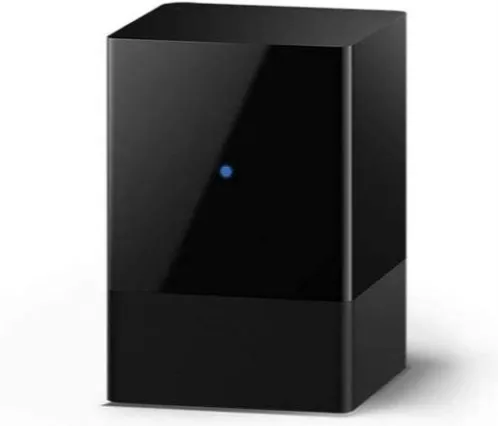
Another issue was how narrowly focused the Fire TV Blaster was. It worked best in a very specific setup:
- A Fire TV device
- Older TV or audio equipment
- Users committed to voice control
If even one of these pieces didn’t fit, the Blaster became unnecessary. Unlike smart speakers or streaming sticks, it wasn’t a “must-have” device for most people. It was more of an accessory—and accessories are often the first products to be discontinued when demand slows.
The Smart Home Strategy Shift
Over time, it became clear that voice assistants were evolving. Instead of controlling everything through IR, the industry moved toward direct integrations. TVs started shipping with built-in voice control. Streaming devices improved HDMI-based control. Apps replaced remotes altogether.
From a strategy perspective, continuing an IR-based product likely didn’t make sense long-term. Supporting legacy technology can slow innovation, and companies often prefer to push users toward newer, more seamless solutions.
This doesn’t mean Fire TV Blaster was a bad product. It simply belonged to an in-between era—too late for old tech, too early for fully unified smart homes.
Did It Ever Really Fail?
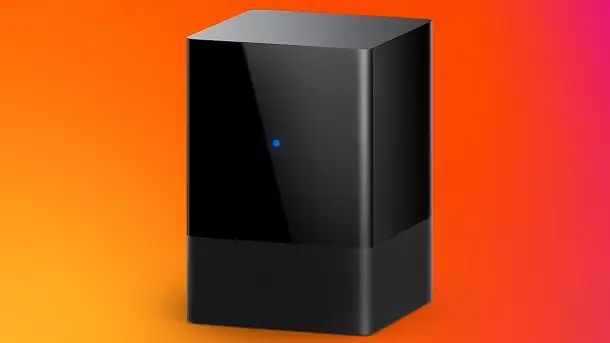
Calling Fire TV Blaster a “failure” might be unfair. For users who needed it, it worked well and solved a real pain point. Many people genuinely loved being able to control non-smart TVs with their voice.
But mass-market success requires timing, simplicity, and broad appeal. Fire TV Blaster struggled with all three. The audience was limited, setup wasn’t always smooth, and the market was moving in a different direction.
So was it doomed from the start? Not exactly—but it was always fighting against the future.
What We Can Learn From Its Exit
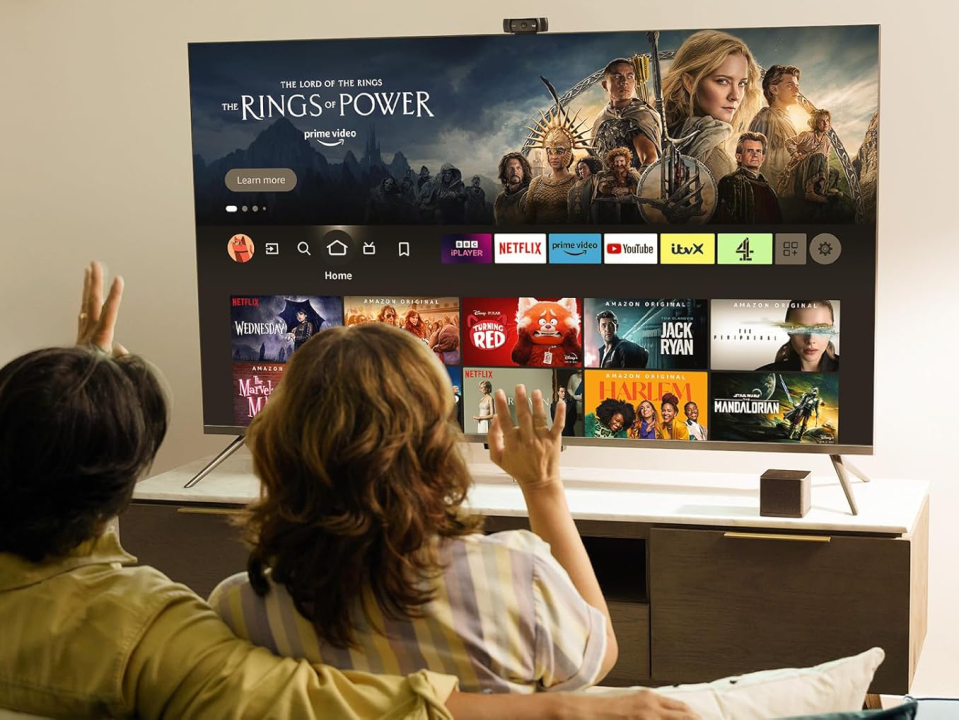
The quiet disappearance of Fire TV Blaster tells a bigger story about smart home technology. Devices that rely on workarounds tend to have shorter lifespans. As ecosystems mature, native solutions almost always win.
For consumers, it’s a reminder to think about longevity when buying tech accessories. For the industry, it’s proof that even good ideas can fade if the timing isn’t right.
- Luxury Cruise Industry Growth: Why High-End Travel Is Soaring

- The Ultimate Spring Style Guide Inspired by The Olsen Twins

- Why Turkey Is the Ultimate Travel Destination This Year

Final Thought
Fire TV Blaster wasn’t a bad idea, and it wasn’t poorly made. It simply arrived at a moment when technology was already preparing to move on. Rather than being doomed from the start, it was caught in the middle of a fast-changing smart home revolution—useful for a while, but never meant to last forever.
Disclaimer: This article is based on personal analysis, user experiences, and publicly observed product trends. It is not affiliated with or endorsed by any brand mentioned.
Hashtags: #FireTVBlaster #SmartHomeTech #TechDiscontinued #StreamingDevices #AlexaEcosystem #TechTrends #Carrerbook #Anslation