
In today’s digital world, buying home products has become easier than ever. With thousands of reviews, ratings, and influencer recommendations available online, it feels like you have all the information you need before making a purchase. But the truth is, most of these reviews only show one side of the story—the positive one.
Real home reviews go beyond ratings and stars. They highlight actual user experiences, long-term usage, and the small inconveniences that are often ignored. Whether you’re buying kitchen appliances, furniture, or smart gadgets, understanding what no one tells you can save both money and frustration.
The Gap Between Marketing and Reality
Most popular home products are marketed in a way that highlights perfection. Brands focus on features, aesthetics, and convenience, making the product seem like a must-have. However, real-life usage often reveals a different picture.
A product that looks compact in photos might take up more space in your home. Something advertised as “easy to maintain” may require regular cleaning and effort. This gap between expectation and reality is where most buyers feel disappointed.
Kitchen Appliances: Useful but Not Always Practical
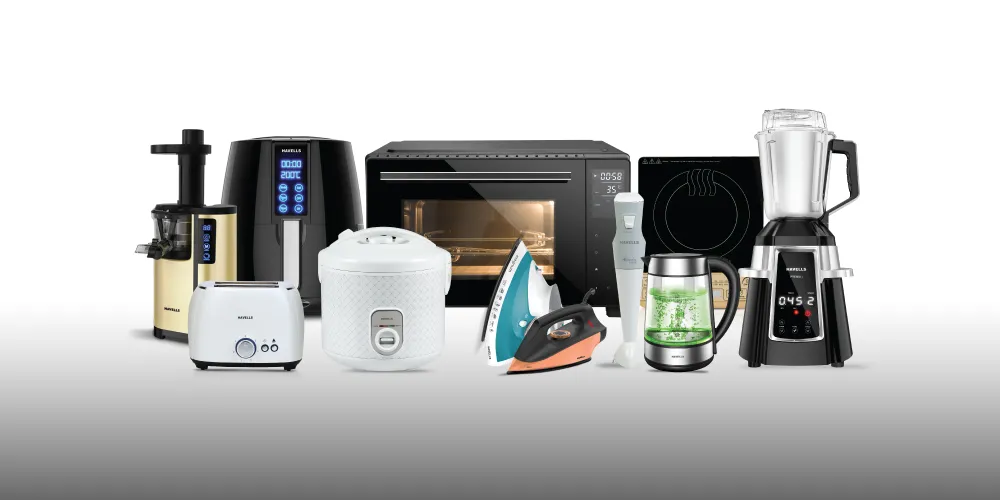
Kitchen appliances are often promoted as time-saving and essential, especially in modern homes. While many of them are useful, not all of them fit into daily routines as expected.
Many buyers purchase appliances like air fryers, blenders, or food processors with excitement, but over time, usage drops. The reason is simple—cleaning, storage, and effort involved.
What you should keep in mind:
- Choose appliances based on your daily cooking habits
- Consider storage space before buying
- Check how easy it is to clean after every use
A product is only valuable if it becomes part of your routine, not something that sits unused on a shelf.
Smart Home Devices: Smart but Sometimes Complicated
Smart home technology promises convenience, automation, and control at your fingertips. From smart lights to security cameras, these devices are becoming increasingly popular.
However, real users often face issues that are rarely mentioned in reviews. Connectivity problems, app glitches, and compatibility issues can affect the overall experience.
Instead of making life easier, some smart devices can become frustrating if they don’t work seamlessly. For example, a smart bulb that disconnects frequently defeats its purpose.
It’s important to understand that smart devices depend heavily on internet stability and ecosystem compatibility. Without that, the experience may not be as smooth as advertised.
Furniture: More Than Just Looks

Furniture plays a major role in defining the comfort and style of a home. Online platforms showcase beautiful designs that attract buyers instantly. But what looks good in pictures doesn’t always feel the same in real life.
Comfort, durability, and material quality are factors that only become clear after prolonged use. A sofa might feel perfect initially but lose its shape after a few months. Similarly, a bed frame might look sturdy but start making noise over time.
Things often overlooked:
- Material quality and build strength
- Long-term comfort
- Ease of assembly and installation
Buying furniture should never be based on appearance alone. Practicality and durability matter just as much.
Cleaning Products: Effort Still Required
Cleaning tools and products are marketed as solutions that make life easier. From vacuum cleaners to robotic cleaners, the promise is always the same—less effort, better results.
In reality, no cleaning product completely eliminates effort. Even advanced tools require maintenance, proper usage, and sometimes manual support.
Robotic vacuums, for instance, are helpful for daily dust cleaning but may struggle with corners or uneven surfaces. Similarly, traditional vacuum cleaners need regular filter cleaning to maintain performance.
Understanding these limitations helps set realistic expectations and prevents disappointment after purchase.
Home Decor: Aesthetic vs Practicality

Decor items can instantly transform the look of your home. Whether it’s rugs, wall art, or lighting, these products are often chosen based on appearance.
However, practicality is something many buyers realize later. Light-colored decor items may require frequent cleaning. Certain lighting setups may not provide enough brightness for daily use.
The key is to balance aesthetics with functionality. A beautiful home should also be easy to maintain and comfortable to live in.
Price vs Value: The Common Misconception
One of the biggest myths in home shopping is that higher price means better quality. While premium products often offer good features, they are not always the best choice for everyone.
In many cases, buyers end up paying extra for branding rather than actual performance. On the other hand, some budget-friendly products deliver excellent results and meet everyday needs perfectly.
Instead of focusing only on price, it’s better to evaluate:
- Features and usability
- Durability and maintenance
- Real customer experiences
Value comes from how well a product fits your needs, not just its price tag.
How to Read Reviews the Right Way

Not all reviews are fake or misleading, but knowing how to identify useful ones is important.
Focus on these factors:
- Reviews that mention long-term usage
- Detailed feedback with both pros and cons
- Real-life scenarios instead of generic comments
Also, negative reviews can be very helpful. They often highlight issues that positive reviews ignore. Watching video reviews can give a clearer idea of how the product actually performs.
Common Buying Mistakes to Avoid
Many purchasing mistakes happen because of excitement or lack of research. Avoiding these can help you make smarter decisions.
Key mistakes include:
- Buying products just because they are trending
- Ignoring size, dimensions, or compatibility
- Not checking return policies or warranties
- Relying only on influencer recommendations
Taking a little extra time to research can prevent long-term regret.
Final Thoughts
Real home reviews are not about perfect ratings or attractive photos—they are about honest experiences. Every product has its pros and cons, and understanding both is essential before making a decision.
Instead of being influenced by marketing or trends, focus on your actual needs and daily usage. A product that works well for someone else may not be the right fit for you.
Making informed choices not only saves money but also ensures that the products you bring into your home truly add value to your life.
FAQs
1. Are online home reviews trustworthy?
They can be helpful, but it’s important to read multiple sources and focus on detailed, real-user feedback.
2. Why do some popular products disappoint?
Because marketing often highlights only the best features, while real-life usage reveals limitations.
3. How can I avoid buying the wrong product?
Research thoroughly, compare options, and prioritize your needs over trends.
4. Are expensive products always better?
Not necessarily. Many affordable options provide similar performance and value.
5. What should I check before buying a home product?
Look at usability, maintenance, durability, and real customer reviews before making a decision.